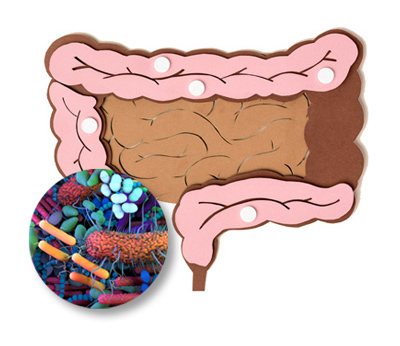
From preparing for pregnancy to supporting your baby's immune system and your child's brain development - the gut microbiome is the biological foundation of family health.
Powered by Independente Research

The gut microbiome governs digestion, immunity, metabolism, mood, and brain development - beginning before your baby is born and shaping their health for life.
These microbes regulate immunity, produce the majority of the body's mood neurotransmitters, govern inflammation, and synthesise vitamins the body cannot make alone. For mothers and babies, the microbiome is the biological thread connecting maternal health to every aspect of a child's development.
A mother's gut microbiome shapes the environment her baby grows within during pregnancy, becomes the baby's first microbiome at birth, and continues to nourish her child's immune identity through breastfeeding.
The gut microbiome governs how well your body absorbs the nutrients critical for conception, regulates the hormones that support fertility, and calibrates the immune environment needed for implantation.
A compromised microbiome before pregnancy means the baby begins its most important developmental period in an already-depleted biological environment. Testing before conception is the most powerful preventive step a woman planning a family can take.
Every nutrient that reaches your developing baby passes through a biological system governed by the microorganisms in your gut. The quality of that ecosystem directly determines what your baby receives.
The maternal gut microbiome restructures dramatically in pregnancy, increasing energy extraction, supporting immune tolerance, and producing short-chain fatty acids that protect the gut barrier. When this ecosystem is in dysbiosis, these adaptations stall - raising the risk of gestational diabetes, elevated inflammation, and reduced transfer of protective species to the baby at delivery.
A 2022 study in Nature Medicine found that the maternal microbiome during pregnancy doubles the activation of immune-related genes in the developing foetus - directly programming your baby's biological identity before birth.
After birth, a mother's gut microbiome is at its most vulnerable - yet this is precisely when it matters most for both her recovery and her newborn's first microbial inheritance.
At birth, a baby receives its foundational microbial community directly from the mother - up to 72% of the newborn's initial gut ecosystem comes from this single transfer. The quality of what is passed on depends entirely on the state of the maternal microbiome at that moment.
For the mother, postnatal gut dysbiosis - driven by blood loss, hormonal collapse, sleep deprivation, and antibiotic exposure - is a measurable driver of prolonged fatigue, postnatal depression, and slow recovery. It is also almost never tested for.
In the first months of life, the gut microbiome educates the immune system, seeds the gut-brain axis, and sets the metabolic parameters your child will carry for decades. This window cannot be recaptured.
At birth, a baby's gut is essentially sterile. Within hours, the microbial community seeded during delivery begins colonising the gut lining - training immune cells, producing protective short-chain fatty acids, and establishing the neural communication channels that will link gut to brain for life.
The dominant species of the healthy infant gut - Bifidobacterium infantis and Lactobacillus - produce butyrate to fuel the gut lining, synthesise vitamins the baby cannot yet make, and train T-regulatory immune cells to prevent allergy and autoimmunity.
Kids BioCare™ NGS testing reveals exactly which species are present in your baby's gut, which are missing, and what that means for their development - so you can act at the moment that matters most.
By age three, the fundamental architecture of the gut microbiome is largely fixed. What happens in these early years determines the immune, metabolic, and neurological profile your child will carry into adulthood.
As children wean, socialise, and encounter new environments, the gut microbiome undergoes its most dramatic diversification. A single course of broad-spectrum antibiotics can reduce microbiome diversity by up to 35%, and research shows this loss does not always fully recover. NGS testing at key milestones - after weaning, after antibiotics, at age 2-3 - allows families to see the state of this ecosystem and support its recovery before the window closes.
The gut microbiome simultaneously manages immunity, metabolism, neurology, inflammation, and nutrition. Understanding it is not optional - it is central to understanding health itself.
The gut microbiome doesn't just aid digestion - it trains the immune system, regulates how the body stores energy, determines how efficiently nutrients are absorbed, and produces the majority of the brain's mood-regulating neurotransmitters. For a mother and her child, the state of the gut microbiome is inseparable from the quality of every other biological system.
Low microbiome diversity at 3 months predicts a 3× higher asthma risk by age 7. Immune education in the first 100 days is irreversible - the window cannot be recaptured.
3×Higher asthma risk - Arrieta et al., 2015Gut microbes produce 95% of the body's serotonin and regulate GABA receptor expression in the brain. The gut-brain connection is established in infancy and governs emotional health throughout life.
95%Of serotonin is made in the gut - Yano et al., 2015Low Akkermansia abundance in children aged 2-6 - detectable only through NGS - predicts 2.4× higher early metabolic syndrome risk.
2.4×Higher metabolic risk - Derrien et al., Gut, 2020From the three months before conception to the first years of your child's life, the gut microbiome is the biological thread running through every significant health outcome for both mother and baby.
One test. One sample. A complete view of the gut ecosystem - more detail, more clarity, and more clinical relevance than any other approach available.

Kids BioCare™ gives mothers and families the research-grade biological insight to understand and support the gut ecosystem that governs their health - from pre-conception through early childhood.