A Child's Health Begins With
the Biology of the Mother

Blood, gut microbiome, and DNA — the three biological systems that shape pregnancy, foetal development, and postnatal recovery. Most of what matters is invisible without testing.

35+Biomarkers tested
per panel
3Systems: Blood
Gut · DNA
1 in 4Women of childbearing
age are iron deficient
1 in 5New mothers experience
postnatal depression

Three Biological Systems. One Critical Journey.

Blood, gut microbiome, and DNA each play a distinct role — from conception through pregnancy to postnatal recovery. Understanding them gives families a clearer picture of what is shaping maternal wellbeing and early childhood development.

One Platform.
Deep Biological Insight.

A healthy start for a child begins long before birth. The nutrients in a mother's blood, the microbial ecosystem in her gut, and the epigenetic signals driven by her biology directly shape her baby's immune system, brain, and long-term health.

Kids BioCare™ integrates blood biomarker testing, NGS gut microbiome sequencing, and DNA insights — giving families the complete biological picture that standard care doesn't provide.

Start Your Test
50%
Blood volume increase in pregnancy — raising iron, folate, and Vitamin D demand dramatically
Obstetrics & Gynaecology Research
72%
Of UK pregnant women are Vitamin D insufficient in winter — affecting the baby's immune development
PHE Surveillance Data
4 pts
IQ reduction in children at age 8 from untreated subclinical maternal hypothyroidism during pregnancy
Haddow et al., NEJM, 1999
40%
Of a child's epigenetic gene expression is shaped by the maternal nutritional environment in pregnancy
Epigenomics Research
Stage 1 — Before Pregnancy

Preparing the Body for
a Healthy Conception

The three months before conception are the most powerful — and most overlooked — window in maternal health. Deficiencies that go undetected here limit both mother and baby from the very first weeks of pregnancy.

Blood Testing

Revealing Your Body's
Biological Readiness

Iron, folate, and Vitamin D stores must be optimal before conception. The neural tube closes at 21–28 days — before most women know they are pregnant.

  • Iron and ferritin — low stores significantly increase second-trimester anaemia risk, impairing foetal brain oxygen delivery.
  • Thyroid function (TSH, T3, T4) — undiagnosed hypothyroidism doubles miscarriage risk. The foetus depends entirely on maternal thyroid hormones for the first 12 weeks.
  • Vitamin D — low levels quintuple pre-eclampsia risk and impair placental function critical to foetal nutrient delivery.
  • HbA1c and glucose — undetected insulin resistance is a primary driver of gestational diabetes, linked to 3–7× higher childhood obesity risk.
Gut Microbiome Testing

A Balanced Gut Supports
Fertility and Conception

Gut bacteria determine how much folate, iron, and Vitamin D the body actually absorbs. A disrupted microbiome means even a carefully managed diet may not be enough.

  • Nutrient bioavailability — the microbiome governs absorption of key prenatal nutrients from food and supplements.
  • The oestrobolome — gut bacteria govern oestrogen metabolism, affecting cycle regularity, ovulation, and successful implantation.
  • Immune tolerance — gut dysbiosis drives inflammatory responses that contribute to implantation failure and early pregnancy loss.
DNA Insights

Genetic Traits That Influence
Your Pregnancy Biology

30–40% of women carry an MTHFR variant that impairs folate metabolism — making standard folic acid supplementation insufficient. This is only detectable through genetic testing.

  • MTHFR polymorphism — determines whether methylated folate is required for adequate neural tube protection.
  • Nutrient metabolism genes — variants influence absorption of Vitamin D, omega-3, and B vitamins from food and supplements.
  • Metabolic pathways — inherited tendencies toward insulin resistance and inflammation influence pregnancy risk and the baby's biological environment.
Start Your Test
Stage 2 — During Pregnancy

Your Baby's Biology Is Being Built
From Your Biology

Everything your baby's brain, immune system, and metabolism will become is being shaped right now — from the biological signals in your blood, gut, and DNA.

Blood Testing

The Biological
Lifeline to Your Baby

Blood volume rises 40–50% in pregnancy. The NHS antenatal panel tests 8–12 markers. Kids BioCare™ tests 35+ — including the biomarkers most relevant to foetal brain development that standard care misses entirely.

  • Iron and ferritin — haemoglobin alone misses most iron depletion. Ferritin deficiency impairs foetal brain myelination before anaemia develops.
  • Vitamin D — low levels quintuple pre-eclampsia risk and impair the baby's immune and skeletal development.
  • Omega-3 DHA — DHA makes up 15% of the cerebral cortex. Low maternal levels are linked to delayed language development and 6× higher postnatal depression risk.
  • Thyroid (trimester-specific) — subclinical hypothyroidism causes a measurable 4-point IQ reduction in the child at age 8.
Blood testing
Blood testing
Gut Microbiome Testing

Your Gut Is Shaping Your
Baby's Immune Identity

The maternal microbiome during pregnancy doubles activation of immune-related genes in the developing foetus (Nature Medicine, 2022). Gut dysbiosis raises gestational diabetes risk, elevates inflammation, and reduces transfer of protective species to the baby at birth.

  • Foetal immune programming — the maternal microbiome directly shapes which immune genes are expressed in the developing baby.
  • Gestational diabetes risk — lower gut diversity in early pregnancy is strongly associated with gestational diabetes.
  • Preterm birth risk — gut dysbiosis elevates CRP and pro-inflammatory markers, linked to a 3× higher risk of premature birth.
DNA & Epigenetics

How Your Biology Shapes
Your Baby's Genes

40% of a child's epigenetic gene expression is shaped by the maternal nutritional environment. A mother's nutrition, gut health, and hormonal balance chemically modify how the baby's genes are expressed — influencing immune tolerance, metabolism, and brain development for life.

  • Immune gene methylation — maternal nutrition shapes DNA methylation in the baby's immune genes, influencing allergy and autoimmune risk for decades.
  • Metabolic programming — maternal blood sugar leaves epigenetic marks on the baby's fat storage and insulin receptor genes.
  • Stress and neurology — chronic prenatal stress modifies the baby's stress-response gene regulation, affecting anxiety risk in childhood.
Blood testing
Stage 3 — After Birth

Recovery, Resilience & the
Biology of Early Motherhood

The standard 6-week postnatal check tests 3–5 markers. Kids BioCare™ tests 35+. The gap between those numbers explains why so many new mothers are told they are "fine" while experiencing debilitating fatigue and persistent low mood.

Blood testing
Blood Testing — Postnatal

The Tests Most Mothers
Never Receive

  • Ferritin — not haemoglobin — 35% of new mothers have critically low ferritin without anaemia. The primary driver of postnatal fatigue, hair loss, and brain fog — and rarely tested for.
  • Postpartum thyroiditis — affects 5–10% of mothers, mimics postnatal depression, and is almost never identified. Fully treatable when tested for.
  • Omega-3 DHA — women with the lowest DHA levels show up to 6× the rate of postnatal depression. Correction produces measurable improvement within 8–12 weeks.
  • Progesterone and cortisol — progesterone collapses 100-fold within 24 hours of delivery. Testing reveals the extent of hormonal disruption and guides targeted recovery.
Gut Microbiome — Postnatal

The First Gift to Your Baby —
And Your Recovery

At birth, the baby receives 72% of its initial gut microbiome directly from the mother. The diversity of what is transferred determines the quality of the infant's immune foundation — and is entirely dependent on the state of the maternal microbiome at that moment.

  • Baby's immune foundation — maternal microbiome diversity at delivery is the strongest single predictor of infant immune health.
  • Breast milk quality — maternal gut bacteria influence the HMOs in breast milk that feed the baby's own Bifidobacterium species.
  • Postnatal depression — the gut produces 95% of serotonin. Postnatal dysbiosis is a biological driver of low mood that medication alone does not address.
Blood testing
Blood testing
Baby's Biological Baseline

Understanding Your Baby's Biology
From Day One

The gut ecosystem established in the first weeks of life educates the baby's immune system, sets their metabolic parameters, and wires the neural pathways that shape mood and behaviour for decades.

  • NGS gut testing from birth — reveals which protective species are present, which are absent, and what that means for immune and digestive development.
  • Nutrient metabolism genetics — inherited traits affecting folate and Vitamin D processing identified early allow targeted support before deficiencies become visible.
  • Metabolic pathway insights — understanding genetic tendencies toward insulin signalling and inflammatory response allows early dietary decisions to be guided by biology.
Start Your Test
One Integrated Platform

Blood. Gut. DNA.
All in One Place.

Kids BioCare™ integrates all three biological systems through BioHealthcare Hub™ — a single dashboard connecting all your results. Specialist doctors review every finding with you and guide a personalised action plan.

Start Your Test

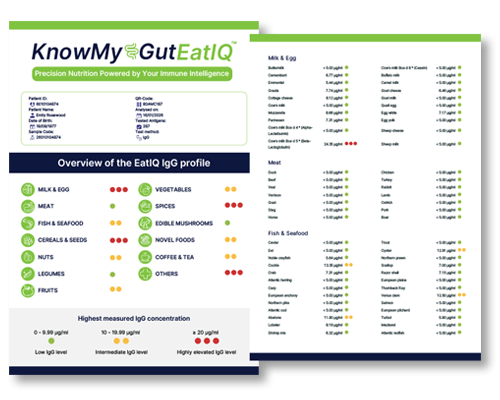
EatIQ™ Report

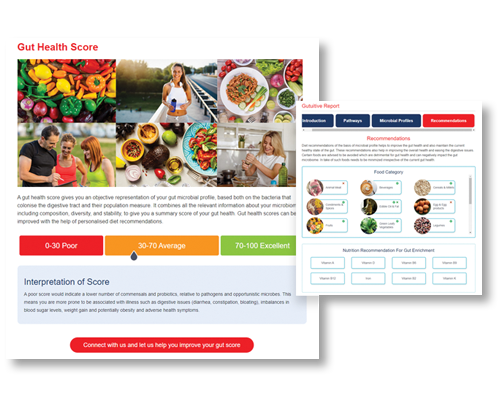
NGS Report

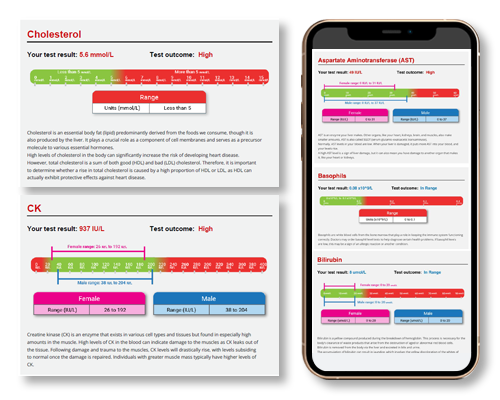
Blood Report

FAQs

Frequently Asked Questions

A baby develops entirely within the mother's biological environment. The nutrients in her blood determine what the foetal brain, immune system, and skeleton are built from. The microbes in her gut shape the baby's immune identity before birth and become the baby's first microbiome at delivery. Every one of these biological channels is measurable — and each can be supported when deficiencies are identified early enough to matter.

The standard NHS panel tests 8–12 markers — haemoglobin, blood group, rubella immunity, and a small number of infection screens. It does not test Vitamin D, omega-3 DHA, ferritin, full thyroid function, B vitamins, inflammatory markers, or the metabolic biomarkers most relevant to foetal development. The standard postnatal check tests just 3–5 markers. Kids BioCare™ fills this gap with a 35+ biomarker panel designed around what actually matters at each stage.

Substantially. Low ferritin (without anaemia) is present in 35% of new mothers and is associated with a 60% higher PND risk. Low omega-3 DHA is linked to up to 6× higher postnatal depression rates. Postpartum thyroiditis — affecting 5–10% of mothers — is routinely misdiagnosed as PND and is fully treatable when identified. Targeted correction of these biological drivers typically produces measurable improvement within 8–12 weeks.

MTHFR is a gene involved in folate metabolism. Around 30–40% of women carry a variant that impairs their ability to convert standard folic acid into the form the body can actually use. For these women, standard folic acid supplementation — even at high doses — may provide inadequate protection against neural tube defects. Genetic testing identifies whether the methylated form of folate is required, allowing supplementation to be correctly targeted before conception.

All three stages provide distinct and important insights. Before pregnancy is the most powerful preventive window — identifying and correcting deficiencies before they limit conception and foetal development. During pregnancy reveals what the standard antenatal panel misses and what is most relevant to foetal brain development. After birth identifies the specific depletions and hormonal disruptions driving postnatal fatigue and mood disorders — at the stage they are most impactful and least likely to be tested for. Kids BioCare™ provides tailored panels for each stage, with specialist consultation included.

The biology shaping your baby's health
is happening right now.

Kids BioCare™ gives mothers and families the biological insight to understand and support the three systems that matter most — from conception through early childhood.